
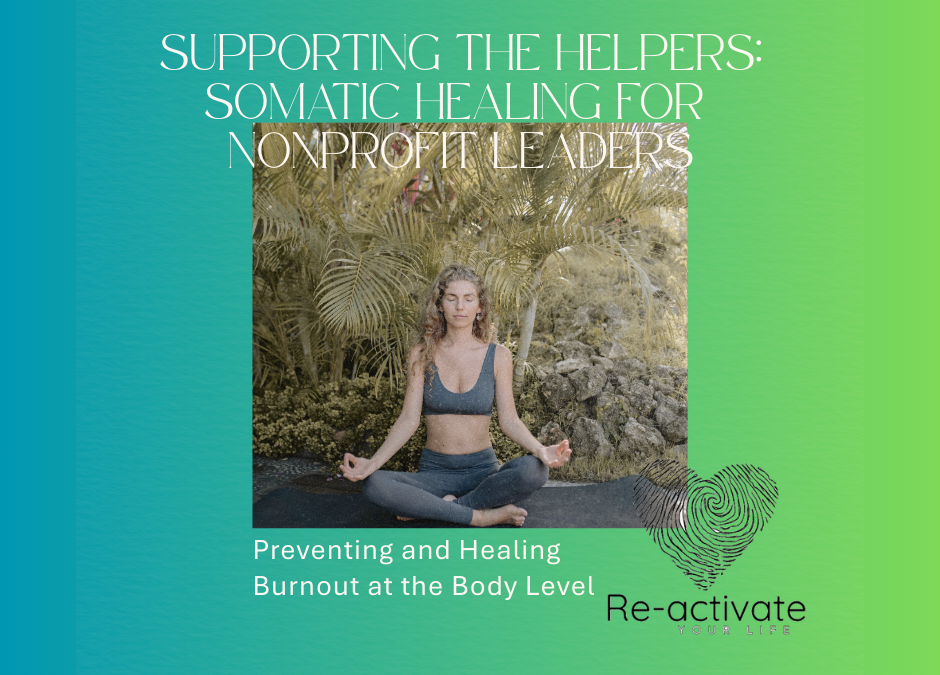
The truly inspiring thing about being a massage therapist, energy worker, and holistic practitioner is that the possibilities for growth are endless. I love that my work continues to evolve, opening new pathways for supporting healing in the body, mind, and spirit. There is always more to learn, more to explore, and more ways to serve.
One of my most recent areas of focus is somatic therapy, a powerful gateway for tuning into the body and its patterns of tension. Somatic therapy is a body-centered approach to healing that explores how emotions, stress, and trauma are stored and expressed physically. Rather than working only through thoughts or conversation, it invites awareness of sensations such as tension, breath patterns, posture, and movement. The understanding is that the nervous system and body hold experiences that words alone may not fully reach—so healing unfolds by gently listening to what the body is communicating.
In practice, somatic therapy may involve tracking physical sensations, slowing the breath, releasing held muscle tension, or noticing how the body responds to memories and emotions. These approaches can help regulate the nervous system, reduce anxiety, and support the gradual processing of unresolved stress or trauma. Many people find that somatic work pairs beautifully with practices such as breathwork, meditation, yoga, and massage because it cultivates a deep, compassionate awareness of the body’s wisdom.
This work is especially meaningful when applied to those serving in the nonprofit sector. Nonprofit leaders carry a unique mix of purpose, pressure, and emotional responsibility. They often operate in sustained “care mode,” responding to community needs, crises, funding demands, and the emotional weight of service. Somatic healing meets them exactly where burnout often lives—in the nervous system and the body.
As I always enjoy sharing practical tools, I’ve included a few insights to bring into your awareness and how somatic healing is applicable.
🧘♀️ Nervous System Regulation for Chronic Stress-(which we are all too familiar with as Nonprofit Leaders):
• Brief body scans before meetings or decisions.
• Breath pacing to reduce reactivity.
• Orienting practices that create a sense of safety.
• Learning to recognize early physical signs of overwhelm.
Try this: Slow inhale through the nose, longer exhale through the mouth
• 4–6 breathing (inhale 4, exhale 6) to signal safety to the body
• Gentle sighing breath to release held tension.
Why it helps: Lengthening the exhale activates the parasympathetic “rest and restore” response.
🔥 Preventing and Healing Burnout at the Body Level
Burnout is not only mental — it is physiological depletion.
• Guided tension-release practices (jaw, shoulders, gut).
• Micro-movement breaks during long workdays.
• Restorative pauses that emphasize permission to rest.
• Supports sustainable energy rather than pushing through exhaustion.
Try this: 💪 Tension and Release
• Gently tense shoulders for 5 seconds, then release
• Clench and soften fists
• Roll shoulders slowly with awareness.
Why it helps: The body completes stress cycles by moving through activation and release.
🌟 Embodied Leadership and Authentic Presence
• Strengthens intuition, clarity, and grounded decision-making
• Body-based decision making — listening inward for guidance
• Grounding practices during conflict or uncertainty
• Cultivating vitality and joy as fuel for long-term service.
Try this: Anchor your attention – Rest your hand on your heart or belly. Mentally note: “I am here. I am supported. I am safe.” Take a few more breaths before returning fully to your environment.
Why It helps: Feeling safe and supportive is key. Even a few minutes can help reset nervous system balance and bring clarity, calm, and presence.
The heart of somatic healing is helping leaders serve from a place of steadiness rather than depletion. By supporting regulation of the nervous system, it creates the conditions for the body to release stored stress and tension that quietly accumulate over time. As individuals learn to listen inward, they begin to reconnect with their body’s natural signals of safety and truth, allowing decisions and responses to arise from a grounded place. In this way, self-care shifts from something we try to remember to do into an embodied, sustainable practice that supports resilience, clarity, and compassionate leadership.
As I continue my studies in Somatic Healing and Advanced Somatic Practices, I am excited to integrate these approaches into my work—particularly in supporting those who dedicate their lives to serving others.
Recent Comments